Red Valley Peru Hike Difficulty: Beginner’s Guide

red valley peru

How Difficult Is the Red Valley Peru Hike for Beginners Really

The Red Valley in Peru is a hidden gem for hikers. Known for its stunning red landscapes, it offers a unique adventure. But how difficult is the Red Valley hike for beginners?

Located near Cusco, the Red Valley is often overshadowed by the famous Rainbow Mountain. Yet, it promises equally breathtaking views. The hike is about 15 kilometers long and can take 3-4 hours to complete.

Beginners might find the altitude challenging. The Red Valley sits at around 5,200 meters. It can lead to altitude sickness. Acclimatizing in Cusco for a few days is crucial before attempting the hike.

The trail is considered moderate to difficult. Steep sections and high altitude add to the challenge. Proper gear, like sturdy boots and layered clothing, is essential.

The best time to hike is during the dry season, from May to September. This helps avoid rain and muddy trails. Guided tours are recommended for beginners to ensure safety and gain local insights.

Despite the challenges, the Red Valley offers a serene experience. It’s less crowded than Rainbow Mountain, making it perfect for those seeking tranquility.

Red Valley Peru

What Is the Red Valley in Peru?

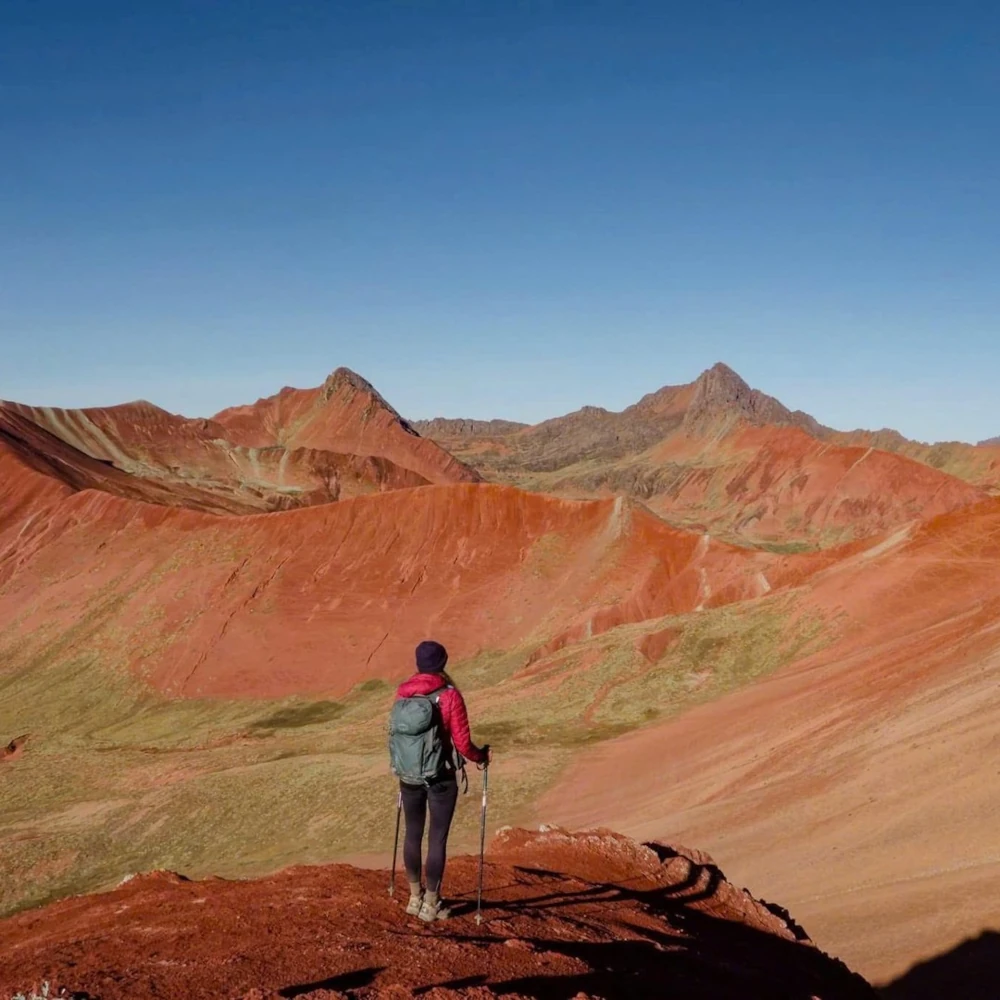
The Red Valley is known for its striking red hues. It is a testament to nature’s artistry. Nestled in the Andes near Cusco, it boasts a vibrant landscape. This colorful spectacle is primarily due to iron oxide deposits in the rocks and soil.

Visitors are often captivated by the valley’s unique geology and breathtaking scenery. The Red Valley is not as famous as other tourist spots. However, this makes it more appealing. Especiallyy to those seeking peace and solitude. It offers views that are no less majestic than its more crowded counterparts.

Hikers can witness an array of landscapes, from the red streaks of the valley to the towering peaks of the Andes. This geographical marvel draws photographers and nature lovers alike. The dramatic vistas provide endless opportunities for capturing natural beauty.

Some highlights of the Red Valley include:

  • Diverse Terrain: Features red valleys, lush greenery, and rocky expanses.
  • Cultural Richness: Encompasses traditional Andean communities.
  • Stunning Panoramas: Offers views of iconic mountains and valleys.

The Red Valley truly stands as a gem in Peru’s array of natural wonders. For those eager to explore Peru’s hiking trails, it is a must-visit.

Where Is Red Valley and How Do You Get There?

The Red Valley is located in the Andes, near the city of Cusco in Peru. It’s close to the well-known Rainbow Mountain. This makes it a popular add-on for adventurous travelers.

Getting to the Red Valley requires some planning. Most visitors start their journey from Cusco. It is a key hub for exploring Peru’s hiking trails. The journey usually involves a scenic drive through picturesque countryside, adding to the adventure.

Typically, travelers can opt for guided tours that provide transportation and valuable insights. These tours often depart early in the morning to make the most of the day. Alternatively, it is possible to hire a taxi from Cusco. Though this option might be costlier and less reliable without a guide.

For independent explorers, here’s a simple route:

  • Start in Cusco.
  • Drive to the trailhead near Cusipata.
  • Hike towards the Red Valley through the scenic trail.

Regardless of how you choose to travel, reaching the Red Valley is a rewarding experience. Proper preparation ensures a smooth and enjoyable journey.

Red Valley Peru

Red Valley Peru Hike Overview: Distance, Route, and Viewpoints

Hiking to the Red Valley offers an unforgettable experience for nature lovers. The trail is approximately 15 kilometers long and takes about 3-4 hours to complete.

The journey through this trail features several breathtaking viewpoints. Along the way, hikers marvel at the vivid red landscapes that define this unique area. These views are particularly stunning during the early morning light.

The route is generally moderate but can be challenging in certain sections. Steep climbs can test stamina. eEspecially at higher elevations. However, the stunning scenery rewards the effort with panoramic views of the Andes mountains.

Popular viewpoints along the trail provide a chance to rest and absorb the scenery. Each offers a different perspective of the striking red terrain. Photography enthusiasts often find these spots irresistible for capturing dramatic landscapes.

Here is a brief route description:

  • Start at the trailhead near Rainbow Mountain.
  • Follow the marked path to Red Valley.
  • Enjoy multiple scenic viewpoints en route.

The Red Valley’s diverse landscapes truly set it apart from typical hiking destinations. Participants experience the powerful beauty of Peru’s natural wonders up close.

Red Valley Peru Hike Difficulty: What Beginners Need to Know

Embarking on the Red Valley hike can be a challenge, especially for beginners. This beautiful yet demanding hike tests both physical and mental stamina.

The trail is classified as moderate to difficult due to several factors. Key among them is the high altitude, which can affect breathing and energy levels. This makes the experience more taxing than a typical lowland hike.

Beginners often underestimate the effect of altitude. It’s crucial to be aware that the trail reaches a height of about 5,200 meters (17,060 feet). Acclimatization days in Cusco are highly recommended to mitigate altitude sickness.

The terrain itself presents challenges, with steep and uneven sections requiring care. Hikers should be prepared to navigate rugged paths, especially those not accustomed to mountain hiking.

Despite these challenges, the Red Valley hike is manageable with preparation. Understanding the trail conditions can help hikers prepare appropriately and have a successful outing.

Here are common challenges beginners may face:

  • High altitude affecting breathing
  • Steep and uneven terrains
  • Sudden changes in weather conditions

Hikers should equip themselves with the right gear. Sturdy boots, trekking poles, and layered clothing are essential for safety and comfort.

To ease the difficulty, some beginners opt for a guided tour. Guides not only ensure the route is navigated safely but also enrich the experience with knowledge of the area’s history and geology.

Moreover, pacing oneself and taking regular breaks to catch your breath are key strategies. They help manage energy levels and counteract the high altitude’s effects.

Finally, embrace the hike’s challenges as part of the adventure. With the right mindset and preparation, even beginners can enjoy and successfully complete the Red Valley hike.

Red Valley Peru

Altitude and Acclimatization: The Biggest Challenge

The elevation of Red Valley is the primary hurdle for most hikers. The trail peaks at around 5,200 meters (17,060 feet). Altitude sickness can strike anyone, regardless of fitness level.

Symptoms to watch out for include headaches, nausea, and dizziness. It’s important to take these seriously to avoid more severe health issues. Prior acclimatization is crucial for a safe hike.

Spending a few days in Cusco before attempting the hike is a wise step. This helps the body adjust to the higher altitude. Acclimatization improves the body’s oxygen efficiency, making the hike more manageable.

While in Cusco, consider engaging in light activities. Explore the city or take short walks to gently introduce your body to the altitude. Balance activity with plenty of rest.

Here’s a checklist to help combat altitude challenges:

  • Stay hydrated by drinking plenty of water
  • Avoid alcohol as it exacerbates dehydration
  • Eat carbohydrate-rich meals for energy
  • Ascend slowly and take frequent breaks
  • Listen to your body and descend if symptoms worsen

Preparation and awareness go a long way in ensuring a safe and enjoyable Red Valley hiking experience. Proper acclimatization allows hikers to focus on the beautiful landscapes rather than altitude woes.

Weather and Trail Conditions: What to Expect

Weather in the Red Valley can be unpredictable. Conditions can change swiftly, impacting your hiking experience. It’s important to be prepared for various weather patterns.

During the dry season, from May to September, expect cooler temperatures and clear skies. This is the preferred time for hiking in Peru, including Red Valley. However, temperatures can dip significantly at higher elevations.

In the wet season, from October to April, trails can become muddy and slippery. Rain gear is essential if you plan to hike during these months. The difficulty level increases with the trail’s wet conditions.

To ensure a successful hike, prepare for diverse weather scenarios:

  • Pack layers to adjust with temperature changes
  • Bring waterproof clothing and boots
  • Carry a hat and sunscreen to protect against UV exposure
  • Have a windproof jacket for higher altitudes

Knowing what to expect in terms of weather and trail conditions can significantly enhance your hiking adventure in the Red Valley. Adjusting to these factors is key to a safe and enjoyable experience.

Red Valley Peru

Comparing Red Valley to Other Peru Hiking Trails

Peru offers a plethora of hiking trails, each with its own charm and challenges. The Red Valley stands out with its vibrant landscape and relative seclusion. Unlike the well-trodden Inca Trail, the Red Valley’s paths are less crowded.

When comparing difficulty, the Red Valley hike is challenging due to its high altitude. Other trails like the Colca Canyon involve steep descents, while the Sacred Valley routes offer gradual climbs.

For a well-rounded experience, hikers often contrast these trails based on scenery, altitude, and crowd levels. Here’s a quick comparison:

  • Inca Trail: Historical appeal, moderate crowds, diverse ecosystems
  • Colca Canyon: Deep canyons, potential for steep trekking
  • Sacred Valley: Cultural landmarks, easier trails
  • Red Valley: Stunning landscapes, high altitude challenges

Each trail offers distinct views and experiences. Understanding these differences helps hikers choose a trail that matches their interests and fitness levels. Consider each one’s unique characteristics before making your decision.

Essential Tips for Beginners Hiking in Red Valley

Hiking in the Red Valley is a rewarding adventure for beginners with preparation. Here are some essential tips to help you make the most of your experience.

Pace yourself as you ascend. The altitude is a significant factor. Slow and steady is the way to go. Listen to your body to avoid overexerting yourself.

Acclimatization is key. Spend a few days in Cusco before the hike to adjust to the higher elevation. This reduces the risk of altitude sickness.

Invest in good gear. Sturdy boots and layered clothing are crucial for navigating rocky paths and fluctuating temperatures. Consider packing the following:

  • Water-resistant jacket: For sudden weather changes
  • Thermal layers: To stay warm in cold conditions
  • Sun protection: Including sunscreen and sunglasses

Stay hydrated and fuel your journey with snacks. Dehydration can escalate altitude symptoms quickly. Bring:

  • Water bottles: To keep refreshed
  • Energy bars: For a quick nutritional boost
  • Fruits: For natural sugars and hydration

Lastly, consider joining a guided tour. Guides provide valuable insights and ensure a safer hiking experience. They can be an excellent resource for beginners unfamiliar with the route. Follow their advice and remember to enjoy the stunning scenery that surrounds you.

Red Valley Peru

Guided Tours vs. Independent Hiking: Which Is Best for Beginners?

Choosing between a guided tour and an independent hike in the Red Valley depends on personal preference and experience. For beginners, guided tours often provide additional support and peace of mind.

Guides offer more than just navigation through the Peru hiking trails. They bring knowledge of local culture, history, and can respond to emergencies efficiently. Their presence can significantly enhance the safety and enjoyment of your hike.

Independent hiking offers more freedom. You can set your own pace, take detours, and enjoy the solitude of nature. However, it requires thorough preparation and familiarity with the trail conditions.

When deciding, consider factors like your comfort level with navigating unfamiliar terrain. Also, assess your ability to respond to potential trail challenges. Here’s a quick comparison:

  • Guided Tours: Safer, informative, less planning required.
  • Independent Hiking: More freedom, personal pace, increased planning needed.

Ultimately, your choice should align with your adventure style and preparedness.

What to Pack for the Red Valley Hike

Packing smart is crucial for a successful hike in the Red Valley. Your gear should ensure safety and comfort throughout the journey. Weather conditions can vary, so being prepared for changes is essential.

A standard packing list includes a few essential items to cater to various trail conditions. Lightweight, moisture-wicking clothing is ideal. It’s vital to layer clothes to adapt to shifting temperatures and weather.

Here’s a quick packing checklist for your Red Valley adventure:

  • Sturdy hiking boots for rough terrains.
  • Layered clothing including a warm jacket.
  • Plenty of water to stay hydrated.
  • Snacks for energy.
  • Sun protection: hat, sunglasses, and sunscreen.
  • First aid kit for minor injuries.
  • Camera to capture the stunning views.

Choosing the right gear can significantly enhance your trekking experience. You can ensure that you’re ready for whatever the trail presents.

Red Valley Peru

Safety, Health, and Responsible Hiking in Red Valley Park

Safety is a priority when hiking in Red Valley Park. The high altitude presents a unique challenge that requires careful preparation. Staying aware of your physical limits is crucial to avoid altitude sickness.

Health precautions should focus on acclimatization and hydration. Spending a few days in Cusco can help your body adjust to the elevation. Drink water frequently to prevent dehydration.

Being a responsible hiker means respecting the local environment and communities. Follow Leave No Trace principles to minimize your impact:

  • Stay on marked trails to protect fragile ecosystems.
  • Dispose of waste properly.
  • Respect local customs and wildlife.
  • Support local businesses by hiring guides.

These practices not only ensure a memorable experience. It also contribute to the preservation of Peru’s natural beauty for future generations.

Final Thoughts: Is the Red Valley Hike Worth It for Beginners?

The Red Valley hike offers a unique blend of natural beauty and cultural depth. Its vibrant landscapes and awe-inspiring views make the effort worthwhile.

While challenging, the experience is enriching for those well-prepared. Beginners who embrace the journey with caution and respect will find the adventure deeply rewarding. The Red Valley stands as a testament to the breathtaking diversity that hiking in Peru can offer.

Leave a Reply

Do you have any questions or need assistance?

We’re available to assist you. Don’t hesitate to give us a call and connect with our team of knowledgeable professionals. Your needs are our top priority.

+51 989 300 157

info@machupicchu360experiences.com