Inca Trail Permit Booking: Secure Your Spot Early

How far in advance should I book my Inca Trail permit

Embarking on the Inca Trail is more than just a hike. It’s a journey through history and culture. This iconic trek leads adventurers to the ancient citadel of Machu Picchu. It is a UNESCO World Heritage site.

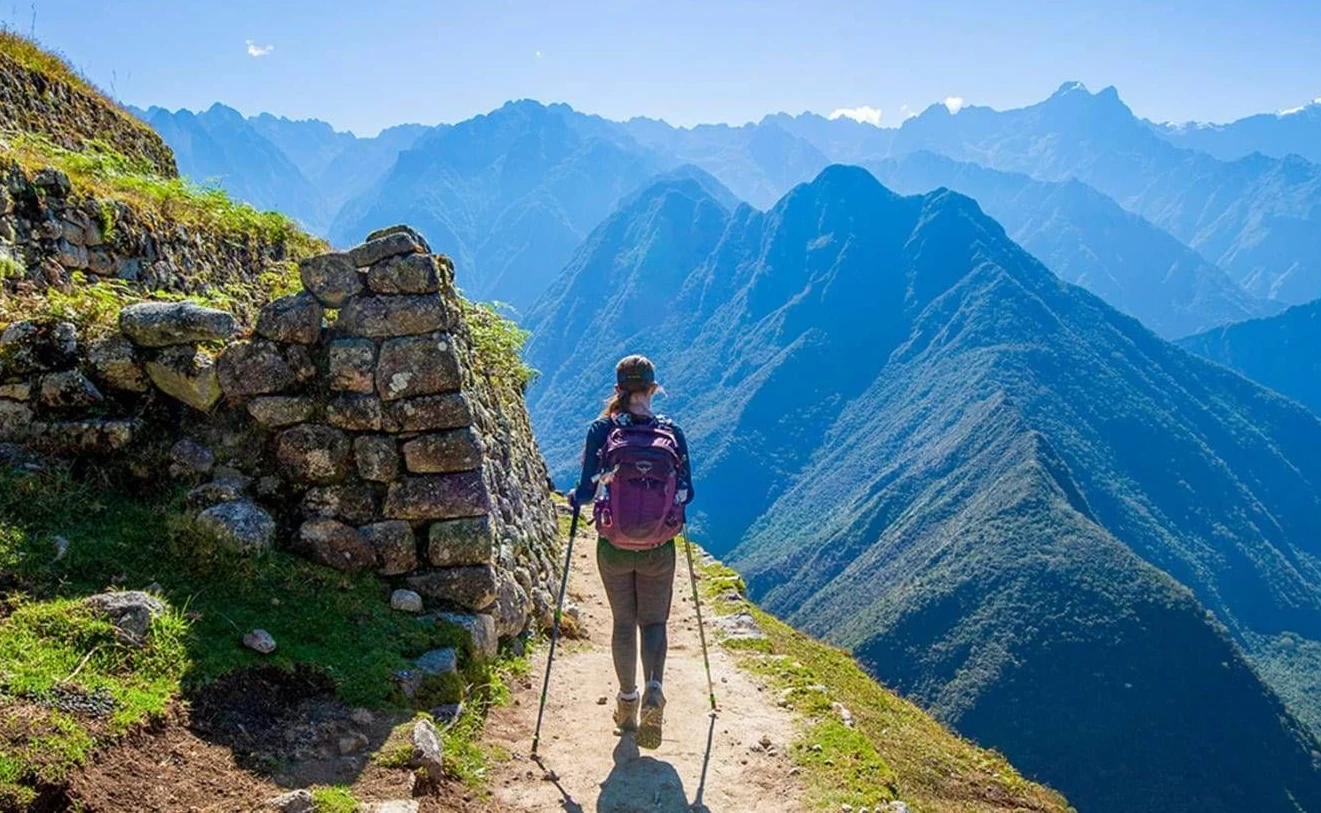
The trail weaves through breathtaking landscapes. It offers glimpses of the Andes’ natural beauty and rich cultural heritage. Each step on this path connects travelers with the spiritual legacy of the Inca civilization.

However, securing a spot on this coveted trail requires careful planning. Inca Trail permits are limited and in high demand. They often sell out months in advance.

Understanding the permit booking process is crucial for those dreaming of this transformative experience. Booking your Inca Trail permit well ahead of time ensures you won’t miss out on this once-in-a-lifetime adventure.

This guide will provide essential tips and insights for booking your Inca Trail permit. Discover how to navigate the process and secure your place on this legendary trek.

Prepare to immerse yourself in the magic and mystery of the Andes. Let the journey begin.

Classic Inca Trail Trek, Inca Trail Permit

The Magic and Meaning of the Inca Trail Hike

The Inca Trail embodies a rich tapestry of history and spirituality. It’s more than a physical journey. It’s a passage through time that whispers stories of the Inca Empire’s might and mystery.

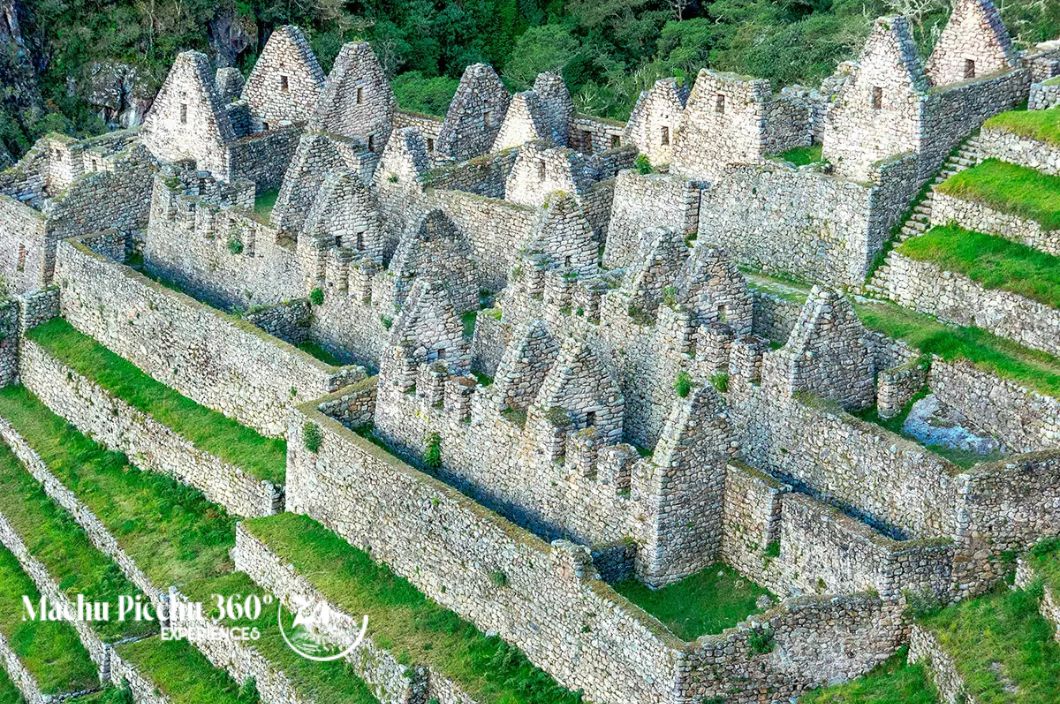
As you trek, ancient ruins emerge from the mist. Each stone an echo of a sophisticated civilization. These archaeological marvels serve as milestones. They connect travelers with the spiritual beliefs of the Inca people.

The trail navigates through diverse ecosystems, from lush cloud forests to stark alpine tundra. Each section reveals a different facet of the Andean landscape’s diverse beauty.

For many, the Inca Trail is a pilgrimage, an opportunity to reflect and grow. Walking this historic path offers insights into the enduring legacy of the Incas and their deep connection to nature. This spiritual journey leaves an indelible mark, inspiring hikers with its profound cultural significance.

Why Inca Trail Permits Are Limited

The Inca Trail’s allure has led to strict regulations on access. Only 500 permits are issued daily, inclusive of guides and porters. This limitation maintains the delicate balance between tourism and preservation.

The Peruvian government controls this number to protect the trail’s integrity. By limiting foot traffic, they aim to minimize erosion and environmental impact, ensuring future generations can experience the trail’s splendor.

Permits are non-transferable and must be reserved through authorized tour operators. This ensures that trekkers engage with professionals committed to sustainable tourism. The restrictions serve multiple purposes:

  • Preserve archaeological sites along the trail
  • Maintain the trail’s natural ecosystems
  • Support responsible tourism practices

These measures underscore the trail’s cultural importance and highlight the need for mindful exploration. Limiting permits reflects a commitment to safeguarding this historical route. So the Inca Trail retains its magic and significance for years to come.

Inca Trail Permit, Inca Trail

When Do Inca Trail Permits Sell Out?

Booking Inca Trail permit are in high demand. It often sells out months in advance. This is particularly true during the peak season. It spans from May to September. During these months, the trail’s pleasant weather attracts adventurers from across the globe.

Booking your permit early is crucial to secure your desired trek dates. Many travelers underestimate how quickly permits disappear. Eventually, they end up facing disappointment when their preferred dates are fully booked. Planning ahead ensures that you won’t miss out on this unforgettable experience.

For those wondering about the best time to book, consider the following:

  • Peak season: Permits sell out 6-12 months in advance.
  • Off-peak months: More flexibility but plan 3-6 months ahead.
  • February: Trail closed for maintenance; no permits issued.

By understanding these timelines, you can better plan your adventure and ensure your place on this iconic journey.

How Far in Advance Should You Book?

Securing an Inca Trail permit requires strategic planning. Given the high demand, it’s wise to book well ahead of your intended travel date. This proactive approach is essential, especially if you aim to trek during the bustling peak season.

For peak season enthusiasts, aim to book 9 to 12 months in advance. This early reservation offers the greatest chance of snagging your desired dates. Keeping an eye on availability and acting swiftly can make all the difference.

Consider these booking tips:

  • Peak season (May-September): Book 9-12 months in advance.
  • Shoulder months (March, April, October, November): Secure permits 6-9 months ahead.
  • Off-peak (December, January): More room for flexibility; plan 3-6 months prior.

Planning for the Inca Trail also involves factoring in personal availability and potential travel companions’ schedules. The key is to remain flexible while keeping your booking window generous. This foresight ensures a rewarding journey through one of the world’s most mystical landscapes.

Classic Inca Trail Trek

Step-by-Step Guide to Inca Trail Permit Booking

Embarking on the Inca Trail begins with a crucial step: securing a permit. This process, although straightforward, demands attention to detail. Here’s a step-by-step guide to help you navigate the booking journey.

First, research and select a licensed tour operator. The Peruvian government mandates booking through licensed operators for both safety and compliance. Make sure the operator is reputable and experienced in Inca Trail treks.

Next, confirm your travel dates. With dates in mind, contact your chosen operator. They will handle the permit purchase and ensure all logistics are in place. It’s wise to remain flexible with your dates in case of availability issues.

Be prepared to provide personal details, such as your full name and passport number. This information secures your spot and is printed on the permit. Ensure accuracy to avoid discrepancies during the trek.

Key steps to Book Inca Trail Permit:

  • Choose a licensed operator.
  • Confirm and provide travel dates.
  • Submit personal details promptly.

By following these steps, you can confidently secure your Inca Trail permit. It will be setting the stage for an unforgettable adventure in the Andes.

Choosing a Licensed Tour Operator: What to Know

Selecting a licensed tour operator is a crucial decision for your Inca Trail experience. The right operator ensures not only a safe journey. They will also enriche the trek with cultural insights and logistical expertise.

Licensed operators are your gateway to securing permits and organizing the trek. They liaise with authorities, provide knowledgeable guides, and arrange porters and equipment. It’s essential to check their credentials and reviews from past trekkers.

When evaluating tour operators, consider the following factors:

  • Certification as a licensed operator
  • Positive traveler reviews and ratings
  • Experience with Inca Trail treks
  • Comprehensive packages including gear and guides

By choosing a reliable tour operator, you can embark on your Inca Trail adventure with confidence. You can be certain of every detail is professionally managed. This ensures your focus remains on the enriching experience ahead.

Inca Trail Permit

Essential Inca Trail Tips for a Transformative Hike

Embarking on the Inca Trail is more than a physical journey. It’s a path to transformation. To make the most of this experience, preparation is key.

Begin with acclimatization. Spend a few days in Cusco or the Sacred Valley to adjust to the altitude. This preparation helps prevent altitude sickness, ensuring a safer trek.

Equip yourself with the right gear. Pack sturdy hiking boots, layered clothing, and rain protection. Comfort is crucial for the long days on the trail.

Remember to maintain respect for the land and culture. Follow Leave No Trace principles and honor local customs.

A quick checklist for your trek includes:

  • Strong, comfortable hiking shoes
  • Layered clothing for varied weather
  • Lightweight rain jacket
  • Basic first-aid kit and water purification tablets

Appreciate the journey and connect with nature. Listen to stories of the Andes and immerse yourself in the spiritual energy of this ancient path. This mindful approach guarantees a transformative and unforgettable Inca Trail experience.

Alternatives if Permits Are Sold Out

If Inca Trail permits are unavailable, other trekking routes offer incredible experiences. Each trail offers distinct perspectives of the Andes’ breathtaking scenery.

Consider the Salkantay Trek, known for its stunning mountain views. This route does not require permits, offering more flexibility for adventurers.

Alternatively, the Lares Trek provides a cultural immersion. Walk through remote villages and engage with local communities, gaining insights into Andean life.

Here are a few alternatives to consider:

  • Salkantay Trek: Renowned for its dramatic landscapes
  • Lares Trek: Offers cultural experiences in Andean villages
  • Choquequirao Trek: Discover hidden ruins amidst lush jungle

These treks provide incredible journeys, blending nature, history, and culture. They promise unforgettable memories even if the Inca Trail is not an option.

Inca Trail Permit

The Spiritual and Cultural Significance of the Journey

The Inca Trail is not just a physical trek but a spiritual pilgrimage. It weaves a path through the heart of Inca history and tradition. Each step connects hikers with the ancient spirits of the Andes.

Along the trail, sacred sites whisper stories of a civilization steeped in reverence for nature. Inti, the Sun God, was worshipped here. The landscape is a testament to the Inca’s spiritual beliefs and architectural prowess.

Journeying the Inca Trail invites reflection and introspection. It encourages hikers to embrace the deep, spiritual connections that define Andean culture. This journey is an exploration of both land and soul.

Sustainable Trekking and Respect for Andean Traditions

Preserving the Inca Trail requires mindfulness and respect. As travelers, it is crucial to adopt sustainable practices. These efforts ensure the trail’s longevity for future generations.

Engaging with local communities provides valuable insight into Andean traditions. Travelers should strive to learn and appreciate this rich cultural tapestry. This respectful engagement fosters mutual understanding and enrichment.

To minimize impact, consider the following:

  • Pack out all waste and leave no trace.
  • Use eco-friendly products and conserve resources.
  • Support local businesses and artisans.

By embracing these practices, travelers contribute to the preservation of both the environment and cultural heritage. This mindful approach enhances the journey’s meaning, making it more rewarding.

Inca Ruins, Inca Trail Permit

Conclusion: Begin Your Andean Adventure

Embarking on the Inca Trail is more than just a trek. It is an experience filled with cultural depth and spiritual exploration. Carefully plan your journey and secure your permit well in advance.

This adventure offers a unique opportunity for personal growth. Connecting with Andean traditions enriches the experience in profound ways. Begin your Andean journey now. Embrace both its challenges and rewards, and become part of this timeless cultural legacy.

Leave a Reply

Do you have any questions or need assistance?

We’re available to assist you. Don’t hesitate to give us a call and connect with our team of knowledgeable professionals. Your needs are our top priority.

+51 989 300 157

info@machupicchu360experiences.com