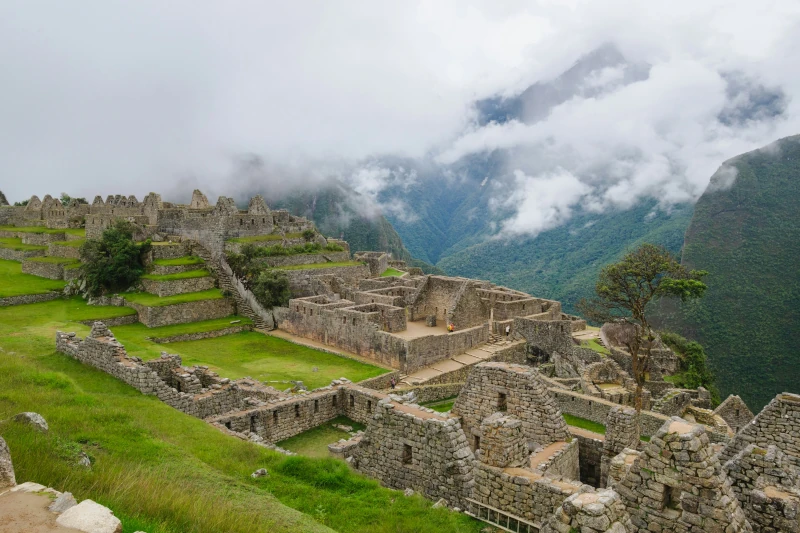
Nestled in the rugged Andes Mountains, Machu Picchu is one of the most iconic sites in the world. Known as the “Lost City of the Incas,” it has captivated travelers, historians, and adventurers alike. But what many don’t know is the intriguing tale of its rediscovery by Hiram Bingham, a Yale professor with a passion for exploration.
Machu Picchu was built in the 15th century during the reign of the Inca emperor Pachacuti. The Inca abandoned this ancient citadel high in the Andes in the 16th century as the Spanish conquered their empire. Locals knew of its existence for centuries, while the dense Peruvian jungle kept it hidden from the rest of the world.
The construction of Machu Picchu is a testament to the prowess of the Incas.The site includes more than 150 buildings, ranging from baths and houses to temples and sanctuaries. Inca builders cut massive stones with precision, fitting them together perfectly without using any mortar.
The layout reflects both the religious significance and the practical needs of the inhabitants. The agricultural terraces, which allowed for effective farming in a challenging environment, demonstrate the Incas’ sophisticated understanding of ecology.
The Incas were deeply spiritual, and the city reflects this belief system. Incas aligned many structures, including the Temple of the Sun, with important astronomical events. This connection to celestial bodies highlights the Incas’ advanced knowledge of astronomy.
This inca city location is also significant. It sits on a mountain ridge above the Sacred Valley, surrounded by peaks the Incas considered sacred.
While Machu Picchu was largely forgotten by the outside world, it was never truly lost to the indigenous people of the region. For generations, local farmers and herders kept the memory alive, long before it was “discovered”.
These local communities played an essential role in guiding Hiram Bingham to the ruins. Their knowledge of the terrain and the historical significance of the site was invaluable in the rediscovery process.
In 1911, Hiram Bingham set off on an expedition that would change the course of history. As a Yale lecturer in South American history, Bingham grew intrigued by stories of lost Incan cities.. His journey to Peru was fueled by a thirst for discovery and a belief that there were ancient ruins yet to be uncovered.
Bingham’s interest in Incan ruins was sparked by his studies and the romantic allure of exploration. At the time, South America was a largely uncharted territory in the Western academic world.
Stories and legends he encountered also motivated his expedition. With the idea of a lost city hidden in the Andes as a tantalizing mystery that he felt compelled to solve.
Bingham’s journey to Machu Picchu was fraught with difficulties. The Andes presented a formidable barrier with their rugged terrain and weather. Bingham and his team faced physical challenges such as altitude sickness, treacherous paths, and limited supplies, which tested their endurance and resolve.
The journey highlighted the importance of local knowledge and the symbiotic relationship between foreign explorers and indigenous communities.
On July 24, 1911, Bingham, guided by locals, stumbled upon Machu Picchu. This moment marked not just a personal triumph but also a pivotal point in history.
Although many credit him with “discovering” Machu Picchu, local Indigenous people had known about it for generations. His role was to bring the site to the attention of the international community.
Bingham’s discovery was a sensation. The National Geographic Society published his accounts, and they captivated readers around the world. The allure of the “Lost City” transformed Machu Picchu into a symbol of mystery and adventure, drawing scholars and tourists from across the globe.
This newfound attention paved the way for increased interest in Inca history and culture.
Machu Picchu offers invaluable insights into Inca civilization. Bingham’s work laid the groundwork for future studies, revealing the sophisticated urban planning of the Incas. The site continues to be a focal point for research, offering glimpses into the spiritual and daily lives of its ancient inhabitants.
The rediscovery of Machu Picchu also had a profound cultural impact. It became a symbol of Peru’s rich heritage and a source of national pride. The influx of tourists brought economic benefits to the region, transforming it into a hub for cultural exchange and exploration.
However, tourism also brought challenges, such as the need for preservation and sustainable development. Authorities have worked to balance the rising number of visitors with the need to protect this invaluable site.
Hiram Bingham’s rediscovery of Machu Picchu is a testament to the power of curiosity and exploration. Scholars have scrutinized and debated his methods and views, but he undeniably helped reveal the ancient city to the world.
Some critics argue that Bingham´s methods were imperialistic, reflecting the colonial attitudes of the time. Others question the ethics of his excavation practices and the removal of artifacts.
Despite these controversies, the impact on the world’s understanding of Machu Picchu remains significant. His work opened the door to further studies and brought global attention to the site.
Today, Machu Picchu is a UNESCO World Heritage Site, attracting millions of visitors annually. Efforts to preserve its integrity are ongoing, ensuring that future generations can continue to marvel at this wonder of the ancient world.
Meanwhile there are conservation efforts that focus on maintaining the site’s structural integrity and managing the impact of tourism. The collaboration between local authorities, international organizations, and indigenous communities is crucial in these endeavors.
Bingham’s rediscovery of Machu Picchu serves as a reminder of the enduring allure of exploration. It inspires both scholars and adventurers to seek out the unknown and appreciate the rich tapestry of human history. Whether through academic study or personal exploration, the journey to understanding Machu Picchu and other ancient sites is one that continues to captivate and inspire.
Accessing the site requires some planning, but the experience is well worth the effort. Here are a few tips to ensure a smooth visit:
Once at Machu Picchu, there are numerous ways to explore the site. Guided tours are available and provide invaluable insight into the history and significance of the ruins. Otherwise, you can wander at your own pace, discovering the intricate details of the stonework and terraces.
EXCELLENT Based on 23 reviews Posted on Nelson R Outworldly beauty Long hike but well worth the effort. The experience was very nice and the staff right from the booking till driving me back to my hotel were incredibly nice and helpful. I did fel a bit shirt of breath as we got closer to the lake but the guide was quick to assist me and accompanied me all the way up to the lake ensuring that i did not have any issue. They did have an option of renting a horse but i didn´t feel it quite needful as the hike was through beautiful sites and i did have plenty of stop along the way to click photos. Would highly recommend spending a few days and acclimatizing well before doing the trek.Posted on Adriana Lucia C OUR ANCESTORS It is important to recognize and respect our ancestors because of them here we are, they have so much to offer and teach usPosted on Adriana Lucia C There's something else Your eyes will see what you are prepared to see, prepare you daily to know so many wonderful things, nothing is enoughPosted on Adriana Lucia C Amazing and revealing. The world offers us a thousand to do, don't miss the opportunity to perform the ones you can, you'll never finish learningPosted on Adriana Lucia C Humantay lagoon Don't miss it is really beautiful and in the company of the best you will love it, get there, feel and observe is the mostPosted on Maria L The best choice for an unforgettable travel experience A simply spectacular experience with this agency. Everything was impeccable: organization, personalized attention and a Service that exceeds any expectation. Traveling with them is a guarantee of tranquility and unforgettable moments. Without a doubt, the best choice to live unique adventures and highly recommended!Posted on rosalia f An unforgettable trip with the best agency “My experience with the agency was just spectacular. Everything was very well organized, from the beginning to the end of the trip. The guides were very friendly and professional, the Service excellent and every detail was thought for us to enjoy to the fullest. Thanks to you I lived an unforgettable journey full of unique moments. I recommend them with complete confidence!”Posted on kalyanihariharan Nice guide and spectacular views We did this Humantay Lake tour with Saul (our guide) and every moment of the trip was crafted exceptionally. We had nice breakfast and lunch during the tour and Saul did a remarkable work in explaining the prominence of the lake and mountains in the Incan mythology.Posted on Daryll An immersive day trip We had a wonderful time visiting the Humantay Lake on a full day trip from Cusco. Everything was well planned especially the guide was very helpful and patient, especially when we found it difficult to hike as we got closer to the lake.Posted on Nick The breathtaking Humantay lake Hike with Machu Picchu 360 Experiences An absolutely stunning experience hiking to Lake Humantay with Machu Picchu 360 Experiences! The views were surreal, and the entire tour was well organized, well paced and professionally managed. Our guide was knowledgeable, friendly, and kept the group motivated throughout the trek. Highly recommend this adventure to anyone visiting Cusco!
We’re available to assist you. Don’t hesitate to give us a call and connect with our team of knowledgeable professionals. Your needs are our top priority.
+51 989 300 157
info@machupicchu360experiences.com
WhatsApp us