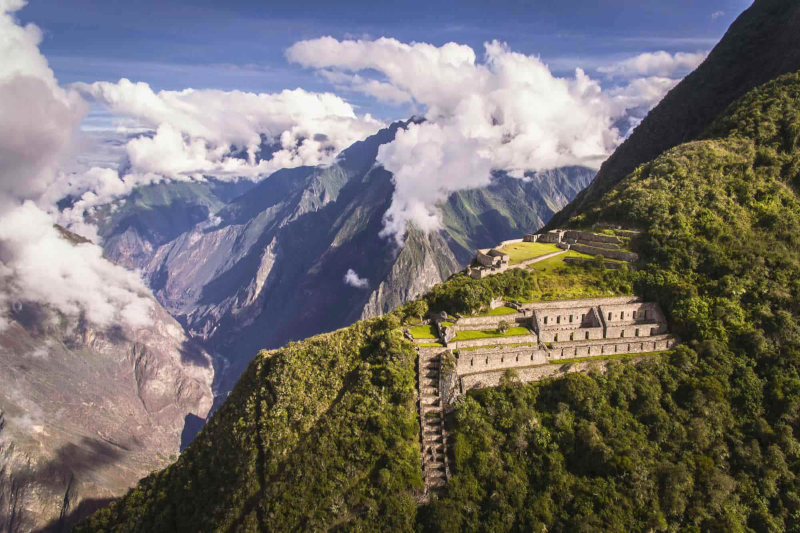
Choquequirao, meaning “Cradle of Gold” in Quechua, is an enigmatic archaeological site situated in the Vilcabamba mountain range. Despite its grandeur and historical significance, it remains less visited due to its remote location. This relative isolation makes it an ideal destination for those seeking an authentic and intimate experience with Peru’s ancient past.
Perched at an elevation of approximately 3,050 meters, Choquequirao offers a magnificent vista of the surrounding valleys and peaks. The journey to this secluded site is a trek through time, as well as through the awe-inspiring Andean landscape. The road less traveled offers a chance to connect deeply with nature, surrounded by the tranquility that only such isolation can bring.
Unlike its more famous counterpart, Machu Picchu, Choquequirao receives only a handful of visitors daily, providing a sense of tranquility and exclusivity. This limited foot traffic ensures that the site remains preserved and offers a more personal experience. Walking through the ruins, one feels like an explorer on a quest, unveiling the secrets of a forgotten world.
The site’s layout reflects the sophisticated architectural style of the Inca Empire, with terraced fields, ceremonial plazas, and intricately carved stone structures. These remnants of the past whisper tales of the Incas’ ingenuity and their harmonious relationship with nature. The terraces, which once supported agricultural innovation, now stand as silent witnesses to a once-flourishing civilization.
Choquequirao is often shrouded in mist, adding to its mystical allure. The fog that sweeps across the valley creates an ethereal atmosphere, making the ancient stones appear as if they are emerging from the clouds. This natural phenomenon enhances the site’s enigmatic charm, leaving visitors spellbound by its beauty.
The citadel’s location in the cloud forest means that it is surrounded by diverse flora and fauna, creating a vibrant ecosystem. The lush vegetation and the songs of fascinating birds contribute to the site’s serene ambiance. As you walk through the pathways, the symphony of the forest accompanies you, enriching the spiritual journey.
The Incas were masters of architectural design, and Choquequirao is a testament to their skills. The precision of stonework, where each block fits seamlessly with the next, showcases their advanced understanding of engineering. These structures have withstood the test of time, standing resilient against the elements.
Each building within the site serves a specific purpose, from religious ceremonies to administrative functions. The spatial arrangement reflects a deep spiritual connection, with structures aligned to celestial events. This architectural brilliance is not just a testament to their technical prowess but also to their profound spiritual beliefs.
To embark on the Choquequirao Trek, one typically begins their journey in Cusco, near the Plaza de Armas and the Sacred Valley. This vibrant city serves as the gateway to numerous Incan trails and archaeological sites, offering a plethora of cultural experiences.
Upon arriving in Cusco, take a day to acclimate to the high altitude. This period of adjustment is crucial to ensure a comfortable trek, as the city sits over 3,400 meters above sea level. Hydration and rest are essential during this time to prevent altitude sickness.
Explore the city’s cobblestone streets, colonial architecture, and lively markets. Each corner of Cusco tells a story, from its Spanish colonial past to its Incan roots. The blend of cultures is visible in the city’s vibrant street life and architectural style, offering a rich tapestry of experiences for any visitor.
Don’t miss the chance to visit the Qorikancha, once the most important temple in the Inca Empire, dedicated to Inti, the Sun God. This sacred site provides insight into the religious life of the Incas, with its walls once adorned in gold. The temple stands as a symbol of the Incan’s reverence for the celestial realm and their intricate cosmology.
The trek officially begins with a drive from Cusco to the village of Cachora. This quaint settlement is the starting point for the trek to Choquequirao. The journey to Cachora offers a glimpse into rural Peruvian life, with its traditional houses and pastoral landscapes.
Here, you’ll meet your guides and muleteers who will accompany you on this journey through history. The local guides are often descendants of the Incas themselves, carrying with them a wealth of knowledge and stories passed down through generations. Their insights add depth to the journey, providing context to the landscapes and ruins you will encounter.
Preparation for the trek is crucial, with final checks on gear and supplies. The anticipation builds as you stand on the threshold of a historic adventure, ready to walk the paths once trodden by Incan nobility. The camaraderie with fellow trekkers and guides sets the tone for the days ahead, fostering a sense of shared adventure.
The first day of trekking from Cachora leads to Capuliyoc, where the landscape begins to transform. The path winds through diverse terrains, offering panoramic views of the Apurímac Valley. The descent into the canyon is steep, but the breathtaking vistas make every step worthwhile.
Capuliyoc is the first campsite, providing an opportunity to rest and take in the stunning scenery. The campsite is strategically located to offer views of the surrounding mountains and valleys, making it an ideal spot for photography and reflection. As night falls, the clear skies reveal a blanket of stars, creating a magical evening in the Andes.
The Choquequirao Trek is a challenging yet rewarding adventure, spanning approximately 60 kilometers over four to five days. The trail weaves through lush valleys, rugged mountains, and cloud forests, offering stunning views and a deep sense of connection to the land.
The trek involves a steep descent into the Apurímac Canyon, followed by a demanding ascent to the Choquequirao site. This physical challenge is met with the awe-inspiring beauty of the Andean landscape. The rhythm of the trek, with its ups and downs, mirrors the Incan philosophy of balance and harmony.
Along the way, trekkers encounter diverse flora and fauna, including orchids, bromeliads, and colorful bird species. The diversity of life in the cloud forest adds a dynamic layer to the trek, with each step revealing new wonders of nature. The vibrant ecosystem is a testament to the richness of the Andean biodiversity.
Upon reaching the summit, the sight of Choquequirao nestled against the backdrop of the Andes is nothing short of awe-inspiring. The citadel, appearing almost miraculously from the wilderness, invites exploration. The sense of accomplishment and wonder upon arrival is profound, as you stand on the threshold of history.
One of the most intriguing features of Choquequirao is the Intihuatana, or “Place to Tie Up the Sun” This ritual stone served as an astronomical calendar for the Incas, marking important celestial events and connecting the terrestrial and celestial realms. The Intihuatana stands as a symbol of the Incan’s deep understanding of astronomy and its integration into their daily life.
Visitors can feel the ancient energy emanating from this stone, which was central to the Incan’s spiritual practices. The alignment of the stone with the sun during solstices and equinoxes underscores the Incas’ sophisticated astronomical knowledge. This sacred site offers a glimpse into the Incas’ intricate worldview, where every aspect of life was interconnected with the cosmos.
As you explore Choquequirao, you’ll encounter the iconic stone carvings of llamas on the terraces. These carvings hold significant cultural and spiritual meaning, representing the Incas’ connection with these revered animals. Llamas were vital to the Incan economy and daily life, serving as pack animals and a source of wool and meat.
The llama carvings are strategically placed, aligning with the solstice sun, further illustrating the Incas’ astronomical precision. These designs not only showcase artistic talent but also reflect the Incas’ reverence for nature and their harmonious coexistence with their environment. The llamas of Choquequirao remain a symbol of the enduring legacy of the Incan civilization.
Choquequirao is not only a testament to Incan architectural prowess but also a living museum of cultural heritage. As you wander through the site, each structure and artifact unveils a piece of the Incan story.
Scholars believe that Choquequirao was an important administrative and religious center, serving as a refuge for Inca nobility during the Spanish conquest. The site’s design reflects its dual purpose, with areas designated for governance and others for spiritual rites. This duality highlights the Incas’ ability to integrate the sacred and the secular seamlessly.
Its strategic location allowed it to control access to the Vilcabamba region, safeguarding the empire’s legacy. The remote mountain stronghold served as a last bastion against the encroaching Spanish forces, preserving the cultural and spiritual essence of the Incas. Choquequirao’s role as a sanctuary underscores its historical importance and the resilience of the Incan spirit.
Archaeologists have uncovered numerous artifacts at Choquequirao, each offering a glimpse into the daily life of its inhabitants. Ceramics, textiles, and tools reveal the sophistication of Incan craftsmanship and their advanced understanding of materials. These relics provide invaluable insights into the socio-economic structure of the Incan society.
The artifacts also reflect the cultural exchange between the Incas and neighboring civilizations. Trade routes brought diverse influences, seen in the variety of styles and techniques employed. The artifacts serve as a testament to the Incas’ adaptability and their ability to integrate new ideas into their cultural framework.
Efforts to preserve and restore Choquequirao continue, with archaeologists and historians working diligently to uncover its secrets. These endeavors ensure that future generations can appreciate and learn from this remarkable site. The preservation work is a delicate balance of maintaining authenticity while allowing for modern research techniques.
Tourism plays a vital role in funding these preservation efforts, making each visitor an active participant in the site’s conservation. By exploring Choquequirao, travelers contribute to the ongoing research and restoration, ensuring that the stories of the Incan civilization continue to be told. This collective effort fosters a global appreciation for cultural heritage and its significance in shaping our understanding of history.
Embarking on the Choquequirao Trek requires careful preparation. Here are some practical tips to ensure a safe and enjoyable journey:
Spend a few days in Cusco to acclimate to the altitude before beginning the trek. Altitude sickness can affect anyone, regardless of fitness level, so it is crucial to allow your body time to adjust. Gradual acclimatization helps prevent the discomfort and potential dangers associated with high-altitude trekking.
During this time, engage in light activities and hydrate frequently. The city of Cusco offers numerous attractions to explore at a leisurely pace, allowing you to enjoy the rich cultural heritage while preparing for your trek. Remember, patience and careful preparation are key to a successful journey.
The trek is physically demanding, so be sure to engage in regular exercise and hiking beforehand. Building endurance and strength will make the trek more enjoyable and reduce the risk of injury. Focus on cardiovascular fitness and leg strength, incorporating activities such as hiking, cycling, and stair climbing into your routine.
Consider training with a backpack similar to the one you’ll use on the trek. This practice helps your body adapt to the weight and prepares you for the physical demands of carrying your gear over challenging terrain. Proper preparation ensures that you can fully appreciate the trek without being hindered by physical limitations.
Bring appropriate gear, including sturdy hiking boots, warm clothing, and a good-quality sleeping bag. The weather in the Andes can be unpredictable, with temperatures varying significantly between day and night. Layered clothing allows for flexibility in adapting to changing conditions.
Pack lightweight, moisture-wicking materials to ensure comfort during the trek. A reliable rain jacket, sun protection, and a hat are also essential to protect against the elements. Proper gear enhances the trekking experience, allowing you to focus on the stunning landscapes and cultural immersion.
Consider hiring a knowledgeable guide to enhance your understanding of the site’s history and significance. Guides provide valuable insights, offering context to the ruins and bringing the Incan stories to life. Their expertise enriches the experience, transforming the trek into an educational journey.
Guided tours also ensure safety and provide logistical support, allowing you to focus on the adventure. They handle permits, accommodations, and meals, ensuring a smooth trekking experience. Whether you’re a seasoned traveler or a first-time trekker, a guide adds depth to the journey, making it both informative and enjoyable.
The Choquequirao Trek offers a unique opportunity to explore one of Peru’s hidden gems, providing a deeper appreciation for the Incan civilization and its enduring legacy. For those seeking adventure, cultural enrichment, and a connection to the past, this trek is a journey worth taking.
By immersing yourself in the mysteries of Choquequirao, you not only witness the grandeur of the Incan Empire but also contribute to the preservation of its cultural heritage. Whether you’re a seasoned traveler or a cultural enthusiast, the Choquequirao Trek promises an unforgettable experience that resonates long after you’ve returned home.
Embark on this extraordinary adventure and discover the hidden wonders of the Andes, where history and nature intertwine to create a tapestry of timeless beauty and intrigue. The journey through the Andes to Choquequirao is more than a trek; it is a pilgrimage to the heart of Incan civilization, offering insights and memories that linger long after the trail ends.
WhatsApp us