How long to plan for a Sacred Valley and Machu Picchu tour

Before diving into the itinerary, it’s essential to understand what the Sacred Valley and Machu Picchu offer. The Sacred Valley, also called the Urubamba Valley, lies in the Andes and features charming villages, ancient Incan ruins, and lively markets. Machu Picchu, the iconic Incan citadel, awaits with its breathtaking mountain views and rich history. Together, they create the perfect introduction to the wonders of Peru.

The Cultural Significance of the Sacred Valley

The Sacred Valley holds a special place in Peruvian culture. Historically, it was the heartland of the Inca Empire, where emperors cultivated crops and built enduring settlements. Today, it remains a vital area, preserving a traditional way of life that has endured for centuries. Visitors often find themselves captivated by the vibrant textiles and crafts that reveal the areas rich cultural heritage.

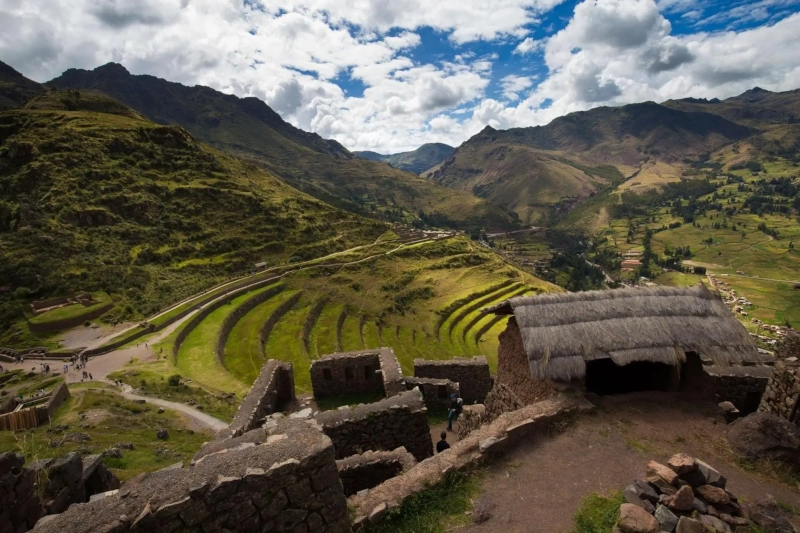
The Sacred Valley is dotted with fascinating attractions. Pisac is renowned for its impressive Inca terraces and bustling market, offering a glimpse into local life. Ollantaytambo, another highlight, is a well-preserved Inca town featuring stunning ruins and a labyrinth of cobblestone streets. Each location offers a unique opportunity to delve into the regions intriguing past and vibrant present.4

Sacred Valley and Machu Picchu

Machu Picchu: The Crown Jewel of the Incas

Machu Picchu, on the other hand, is the crown jewel of Incan civilization. Perched high in the Andes, this UNESCO World Heritage site is renowned for its architectural brilliance and historical significance. Its a must-see for anyone interested in history, archaeology, or natural beauty. The sites mystical allure and the mystery surrounding its purpose continue to draw curious minds from around the globe.

How Many Days Do You Need?

When planning your tour of the Sacred Valley and Machu Picchu, its crucial to consider the duration of your stay. Lets break it down into recommended days to explore these incredible sites.

Your journey begins in Cusco, the former capital of the Inca Empire. Spend your first day acclimatizing to the high altitude. Cusco sits at 3,400 meters (11,200 feet) above sea level, so taking it easy is essential. Explore the citys charming streets, visit the Qorikancha temple, and savor Peruvian cuisine. The vibrant markets and colonial architecture offer a delightful introduction to Peruvian culture.

Sacred Valley and Machu Picchu

Day 2: Exploring the Sacred Valley

On your second day, head to the Sacred Valley. This day should include visits to key sites such as Pisac and Ollantaytambo. In Pisac, explore the impressive Inca terraces and the bustling market where you can find local crafts and textiles. Continue to Ollantaytambo, a well-preserved Inca town with stunning ruins and cobblestone streets. The journey through the valley is as rewarding as the destinations, with picturesque landscapes at every turn.

Day 3: Journey to Machu Picchu

On day three, its time to embark on the highlight of your trip: Machu Picchu. Travel from Ollantaytambo to Aguas Calientes, the gateway to Machu Picchu. The train journey offers mesmerizing views of the Andes and the Urubamba River. Once in Aguas Calientes, take a bus up to Machu Picchu. The anticipation builds as you approach this world-renowned site, setting the stage for an unforgettable experience.

Option to Spend an Extra Day

While one day at Machu Picchu is sufficient for most travelers, some may wish to extend their visit. Consider spending an extra day in Aguas Calientes to hike Huayna Picchu or Machu Picchu Mountain for panoramic views. Alternatively, explore the Mandor Gardens or relax in the hot springs. Each experience offers a different perspective on this magical region, enriching your journey with diverse adventures.

Sacred Valley and Machu Picchu

Return to Cusco

Conclude your adventure by returning to Cusco. Use these days to visit any missed attractions, shop for souvenirs, or simply unwind. Cusco’s vibrant atmosphere and rich history make it a fantastic place to wrap up your journey. If you are visiting in June, you can experience Inti Raymi, a festival dating back to the 15th century. Spend time reflecting on your travels, soaking in the lively energy of the city, and perhaps enjoying a final taste of local cuisine, like peruvian ceviche or Pachamanca .

Key Factors to Consider When Planning Your Duration

When deciding how long to plan for your tour, several factors come into play:

  •   Altitude Acclimatization

Cusco’s high altitude can be challenging for some travelers. Allow time for acclimatization to prevent altitude sickness. Spending an extra day in Cusco before heading to the Sacred Valley or starting adventures like the Inca Trail, Salkantay Trek, or a visit to Humantay Lake can be very beneficial. It’s important to listen to your body, stay hydrated, and take it slow as you adjust to the altitude.

  •   Personal Interests

Consider your interests and how much time you want to spend at each location. History enthusiasts may want to linger longer at archaeological sites, while nature lovers might prefer more time for hiking and exploration. Tailoring your itinerary to your passions ensures a fulfilling experience, and the flexibility allows for other things to do in Machu Picchu.

  •   Travel Style and Pace

Some travelers prefer a leisurely pace, while others enjoy packing in as much as possible. Tailor your itinerary to match your travel style and energy levels. A well-balanced schedule allows for both adventure and relaxation, ensuring you return home rejuvenated and enriched by the experience.

  •   Booking in Advance

Machu Picchu is a popular destination, and entry tickets are limited. Be sure to book your tickets and accommodations well in advance, especially during peak tourist seasons. Early planning not only guarantees access but also allows for better deals and options.

  •   Packing Essentials

Prepare for varying weather conditions. Bring layers, a raincoat, comfortable walking shoes, and sunscreen. Dont forget your camera to capture the stunning landscapes. Being prepared for the elements ensures you remain comfortable and focused on enjoying your surroundings.

  •   Respect Local Culture

When visiting the Sacred Valley and Machu Picchu, show respect for local customs and traditions. Be mindful of cultural norms and support local artisans by purchasing souvenirs from markets. Engaging with the local community enhances your travel experience and fosters meaningful connections.

Temple of the Condor

Final Thoughts

In conclusion, the ideal duration for a tour of the Sacred Valley and Machu Picchu depends on personal preferences and factors like altitude acclimatization. A well-planned trip of 5 to 7 days allows you to fully experience the beauty, history, and culture of these iconic destinations. Many tour packages are available to help you explore ancient ruins, breathtaking landscapes, and vibrant local communities. Whether you choose a guided itinerary or a custom adventure, this journey promises unforgettable memories that will last a lifetime.

By carefully planning your itinerary and considering these tips, youll be well-prepared to explore the wonders of the Sacred Valley and Machu Picchu, creating memories that will last a lifetime. Safe travels!